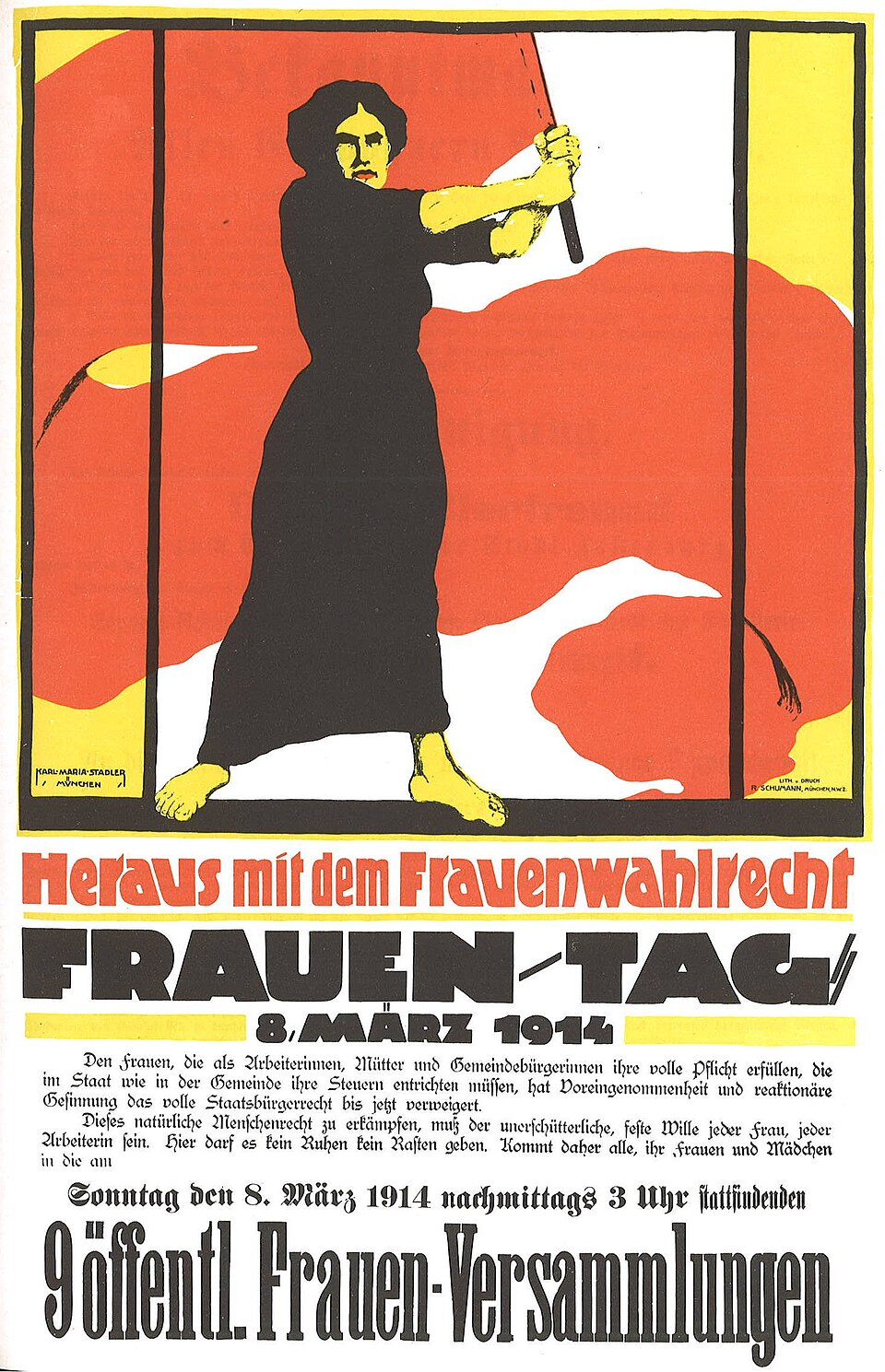
Why March 8th? Uncover the History of International Women's Day
When we mark March 8th, many pause to recognize the women in their lives, often with messages of appreciation or gifts. But have you ever wondered
cuando es el Día de la Mujer (when is Women's Day) and, more importantly, *why* it falls on this specific date? Far from being a mere commercial occasion, International Women's Day (IWD) is a powerful day of remembrance, reflection, and a rallying cry for equality, steeped in over a century of profound struggle and persistent advocacy. It’s a day to honor the trailblazers of the past and to energize the ongoing fight for women's rights globally.
The story of March 8th is not one of a single event, but a tapestry woven from countless acts of courage, protest, and a relentless pursuit of justice. Its roots lie deep in the burgeoning industrial era, where women workers, facing unimaginable hardships, began to demand their rightful place in society – not just as workers, but as equal human beings.
The Genesis of a Movement: Early Uprisings and the Call for Justice
The late 19th and early 20th centuries were periods of immense industrial growth, but also of profound social unrest. Women, who formed a significant part of the burgeoning industrial workforce, were often subjected to the most egregious conditions: long hours, meager pay, and unsafe environments, with virtually no legal protections. It was in this crucible of injustice that the seeds of International Women's Day were sown.
One of the earliest recorded protests that often resurfaces in discussions of IWD's origins took place in New York City in 1857. Female textile workers bravely marched through the streets, demanding an end to oppressive working conditions and advocating for fair wages and shorter hours. This demonstration, though met with brutal suppression, highlighted the desperate plight of working women and ignited a spark of resistance.
Decades later, in 1908, the tragic deaths of 129 women in a factory fire – reportedly during a strike where they were locked inside – further underscored the deadly consequences of unchecked corporate greed and lack of worker safety. These early struggles were critical in galvanizing public opinion and pushing for organized action. It was within this context of growing social awareness and a nascent labor movement that the idea of a dedicated day for women's rights began to take shape.
The Socialist Party of America, recognizing the intersection of labor rights and women's rights, spearheaded the first National Woman's Day in the United States on February 28, 1909. This event marked a crucial step in formalizing the recognition of women's struggles and mobilizing collective action. These foundational protests and the subsequent establishment of a national day set the stage for a much broader, international movement. To learn more about these formative years, read
From Protests to Global Recognition: The History of Women's Day.
A Catalyst for Change: The Triangle Shirtwaist Factory Fire
While multiple events contributed to the movement, one tragedy stands out as a pivotal moment that irrevocably shaped the call for women’s and labor rights, cementing the urgency behind International Women's Day. In 1911, the infamous Triangle Shirtwaist Factory fire in New York City claimed the lives of 146 garment workers, predominantly young immigrant women.
The horror of this event was compounded by the fact that many of the workers were trapped inside the burning building because factory owners had locked the exit doors – a common practice at the time to prevent theft and unauthorized breaks. This horrific loss of life exposed the brutal realities of industrial exploitation and the catastrophic failure of workplace safety regulations. The public outcry was immense and immediate, fueling widespread indignation and demanding radical change.
The Triangle fire became a powerful symbol of the need for robust labor reforms and strengthened the nascent women's rights movement. It wasn't just about better pay or shorter hours anymore; it was about the fundamental right to safety, dignity, and life itself. This tragedy propelled the demands for improved working conditions, the establishment of unions, and crucially, the right for women to have a political voice through suffrage, so they could influence the laws that governed their lives.
From National Outcry to Global Recognition: The Path to March 8th
The momentum generated by these early protests and the searing impact of events like the Triangle fire soon transcended national borders. In 1910, at the second International Conference of Working Women in Copenhagen, German socialist Clara Zetkin proposed the establishment of an International Women's Day. Her vision was simple yet profound: a globally recognized day to press for women's suffrage, labor rights, and an end to discrimination.
The proposal was met with unanimous approval from over 100 women representing 17 countries. The following year, in 1911, the first International Women's Day (then known as International Working Women's Day) was celebrated in Austria, Denmark, Germany, and Switzerland, marked by massive rallies and demonstrations. While initially observed on different dates, it was in the context of Russian women's protests for "bread and peace" on March 8th, 1917 (February 23rd on the Julian calendar then used in Russia), that the date began to consolidate. These protests, coming amidst World War I, played a significant role in sparking the Russian Revolution and had a lasting impact on the global movement.
However, it wasn't until the United Nations officially recognized and began commemorating International Women's Day in 1975 that March 8th became globally enshrined. Two years later, in 1977, the UN General Assembly invited member states to proclaim March 8th as the UN Day for Women's Rights and International Peace, cementing its status as a worldwide day of observance and action. The UN also acknowledges earlier historical antecedents that championed women's power, such as the ancient Greek play "Lysistrata," where women withheld intimacy to end war, or the women who marched on Versailles during the French Revolution demanding equality. These historical echoes underscore the long and diverse lineage of women's activism.
Adding to its rich history, the image of "Rosie the Riveter" emerged during World War II, becoming an iconic symbol of women's strength and their vital contribution to the workforce. This poster served as a powerful testament to women's capabilities and their expanding roles beyond traditional domestic spheres, further solidifying the recognition of their societal value.
March 8th Today: A Call for Action, Not Just Celebration
Today, March 8th serves a dual purpose: it is a powerful reminder of the historical battles fought and won, and a stark spotlight on the persistent inequalities that women continue to face. As the main keyword *Cuando Es El Dia De La Mujer* often reveals a search for its date, it's crucial to remember that this day is much more than just a calendar entry; it's a living movement.
The purple color, often associated with IWD, symbolizes justice and dignity, and is widely adopted by feminist movements across the globe. Each year, UN Women designates a specific theme to guide the commemoration, highlighting critical areas requiring attention. For instance, the 2024 campaign focused on the urgent need to finance women's rights and accelerate equality, emphasizing the importance of directing more resources towards equitable policies.
Despite significant progress in many areas, the fight for true gender equality is far from over. In countries like Costa Rica and many others, March 8th is a day marked by marches, rallies, and public activities aimed at denouncing:
*
Gender-based violence: From domestic abuse to femicide, violence against women remains a global crisis.
*
The persistent wage gap: Women consistently earn less than men for equivalent work, hindering their economic independence.
*
Discrimination: In workplaces, political spheres, and social interactions, women still face systemic biases.
*
Lack of representation: Women are underrepresented in leadership roles across politics, business, and science.
How You Can Engage with the True Meaning of March 8th:
1.
Educate Yourself and Others: Understand the history and ongoing challenges. Share reliable information.
2.
Support Women-Led Initiatives: Invest in or champion businesses, non-profits, and political campaigns led by women.
3.
Advocate for Change: Speak out against injustice, support policies that promote gender equality, and challenge sexist remarks or behaviors.
4.
Reflect and Take Action: Use the day to consider how you can personally contribute to a more equitable world, both locally and globally.
It is imperative to remember that March 8th is not a commercial holiday for gifts and superficial gestures. It is a day of profound historical memory, a moment for critical reflection on the progress achieved, and a powerful call to action for the many challenges that still lie ahead. To delve deeper into its true significance, explore
Beyond Celebration: The True Meaning of International Women's Day.
Conclusion
The question of "Why March 8th?" leads us through a compelling journey of human resilience, sacrifice, and an unwavering commitment to justice. From the sweat and tears of textile workers in the 19th century to the global solidarity witnessed today, International Women's Day stands as a powerful testament to the ongoing fight for gender equality. It reminds us that progress is not inevitable; it is earned through tireless advocacy and collective action. As we observe March 8th, let us not only remember the past but also recommit ourselves to building a future where every woman and girl can live with dignity, equality, and freedom. The struggle continues, and our awareness and active participation are vital to achieving the ultimate goal of a truly equitable world.