From Protests to Global Recognition: The Enduring History of Women's Day
For many across the globe, March 8th holds a profound significance. It's a day when we see purple ribbons, hear calls for equality, and witness powerful demonstrations of solidarity. But why March 8th? And for those who might wonder, Cuando Es El Dia De La Mujer (When is Women's Day?), the answer is unequivocally March 8th – a date steeped in over a century of struggle, resilience, and unyielding demand for justice. This isn't merely a date on a calendar; it's a testament to the collective strength of women who, from the factories of the industrial era to the halls of the United Nations, have continuously pushed for a more equitable world. It's a day that transforms remembrance into action, reminding us of both the progress made and the vital work that still lies ahead.
The Seeds of Change: Early Uprisings and the Fight for Rights
The roots of International Women's Day are deeply embedded in the tumultuous landscape of the late 19th and early 20th centuries, an era marked by rapid industrialization and widespread social upheaval. Women, particularly those in the burgeoning factory workforce, faced appallingly harsh conditions. They endured long hours, abysmal pay, and often dangerous environments, with little to no legal protection or recourse. Unlike their male counterparts, women often lacked basic rights, including the ability to vote, control their own finances, or access higher education. It was against this backdrop of systemic inequality that the first sparks of organized protest ignited.
One of the earliest recorded instances of such defiance occurred in 1857, when a courageous group of textile workers in New York City took to the streets. They protested their inhumane working conditions, demanding fair wages and a shorter workday. Though met with suppression, their actions planted a crucial seed of resistance.
Decades later, tragedy struck, further fueling the burgeoning movement. In 1908, 129 women perished in a devastating fire at the Cotton factory, reportedly trapped during a strike. Just three years later, in 1911, the infamous Triangle Shirtwaist Factory fire in New York claimed the lives of 146 garment workers, predominantly young immigrant women. These horrific events laid bare the deadly consequences of unchecked corporate greed and lax safety standards, galvanizing public outrage and intensifying calls for radical labor reforms. These tragedies served as stark reminders of the vulnerability of female workers and amplified the urgency of their demands for dignity and safety in the workplace.
From National Calls to International Solidarity: The Birth of a Movement
The indignation sparked by these events and the pervasive injustices women faced quickly transcended national borders. What began as localized protests evolved into a coordinated international movement, demanding not only improved working conditions but also the fundamental right to vote and full gender equity. The idea of a dedicated day to recognize and advance women's rights began to take shape.
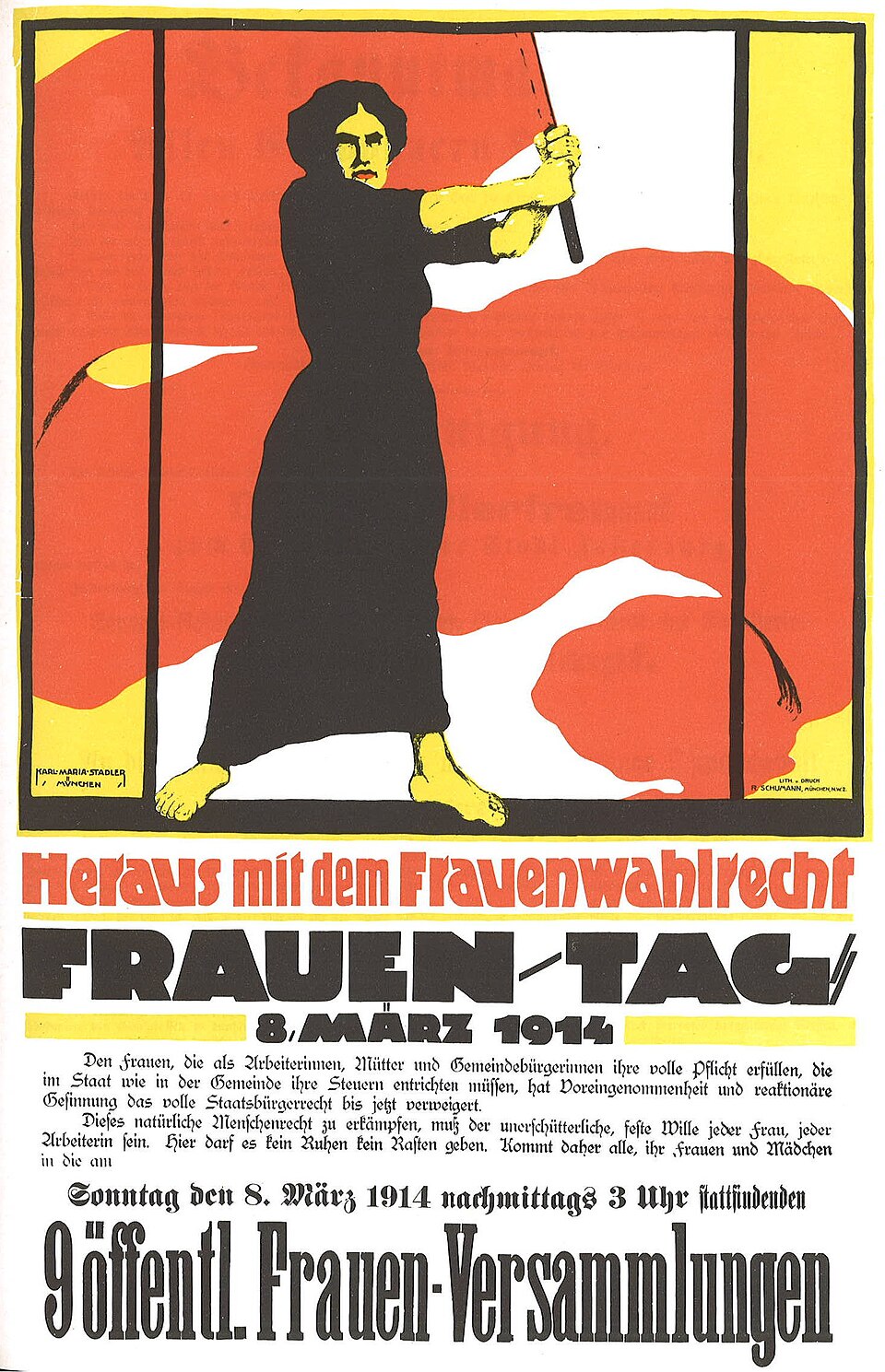
In the United States, propelled by the Socialist Party of America, the first National Woman's Day was observed in 1909. This marked a significant step in formalizing the recognition of women's struggles and aspirations. The concept soon spread across the Atlantic, finding fertile ground in Europe. In 1911, just a few years after the US initiative, countries including Germany, Denmark, Switzerland, and Russia held their inaugural celebrations of International Women's Day – notably, on March 8th. This date, rich with the echoes of labor struggles, was quickly cementing its place in history.
The early 20th century also saw powerful symbols emerge that would come to define female strength and contribution. While later in timeline, the iconic image of "Rosie the Riveter" during World War II captured the indomitable spirit of women entering the industrial workforce, proving their capability and resilience in traditionally male-dominated fields. This imagery, though distinct from the origins of March 8th, resonated with the broader message of female empowerment and their essential role in society.
Global Recognition: The UN and the Formalization of March 8th
The journey from grassroots protests to global recognition culminated decades later, thanks to the concerted efforts of international bodies. The United Nations played a pivotal role in solidifying March 8th as a worldwide observance. In 1975, the UN formally recognized International Women's Day, acknowledging the rich, nearly century-long tradition of advocacy and struggle for equality, justice, peace, and development.
Building on this, in 1977, the United Nations General Assembly officially invited member states to proclaim March 8th as the UN Day for Women's Rights and International Peace. This official declaration elevated the day from a movement-led commemoration to a universally recognized platform for promoting women's rights and gender equity. It was a powerful statement, urging governments worldwide to actively participate in and contribute to the advancement of women.
Since its official recognition, the UN, through entities like UN Women, has continued to guide the global conversation. Each year, UN Women defines a specific theme or campaign to focus the international commemoration. For instance, in 2024, the campaign centered on "Invest in women: Accelerate progress," highlighting the critical need for increased funding and resources for policies and programs aimed at achieving gender equality. These annual themes ensure that International Women's Day remains relevant, addressing pressing contemporary issues faced by women globally, from economic empowerment to combating violence and discrimination.
Beyond Commemoration: The Enduring Legacy and Future Challenges
It is crucial to understand that March 8th, International Women's Day, is not a commercial holiday designed for celebratory gifts. Its true essence lies in its function as a day of historical memory, critical reflection, and fervent advocacy. It's a powerful reminder of the sacrifices made by countless women and a global call to action to address persistent inequalities.
Today, the spirit of March 8th continues to manifest in powerful ways around the world. In countries like Costa Rica and many others, the day is marked by public marches, educational events, and campaigns that shine a spotlight on urgent issues such as gender-based violence, the pervasive wage gap, and systemic discrimination in various spheres of life. The color purple has become an internationally recognized symbol of the feminist movement, representing justice and dignity, and frequently adorns participants and imagery associated with the day.
While significant strides have been made since those early protests, the fight for true gender equality is far from over. Women still face disproportionate rates of violence, underrepresentation in leadership, and economic disparity. International Women's Day serves as a critical annual checkpoint to assess progress and re-energize efforts. It's a day for:
- Education and Awareness: Understanding the history and current challenges is fundamental. Learn about the struggles and achievements that led to this day.
- Advocacy and Action: Support organizations working for women's rights, advocate for equitable policies, and challenge gender stereotypes in your daily life.
- Solidarity: Stand with women in your community and globally. Recognize the diverse experiences of women and amplify marginalized voices.
- Reflection: Consider what more can be done, individually and collectively, to build a world where all genders have equal opportunities and respect.
Beyond celebration, the true meaning of International Women's Day lies in its capacity to inspire change and hold societies accountable for their commitment to gender equity.
The journey of Women's Day, from the desperate cries of textile workers in New York to a globally recognized day of advocacy, encapsulates a profound narrative of courage and unwavering determination. March 8th is a powerful testament to the fact that change is possible when people unite for a just cause. As we commemorate this day, let us not only reflect on the past struggles but also dedicate ourselves to the ongoing work of dismantling barriers, promoting inclusivity, and ensuring that future generations inherit a world where gender equality is not just an aspiration, but a lived reality for everyone.