Understanding the Date: Cuando Es El Dia De La Mujer?
Many people, whether seeking information in English or Spanish, often ask, "
Cuando Es El Dia De La Mujer?" or "When is International Women's Day?" The answer, universally recognized across the globe, is consistently
March 8th. This specific date isn't arbitrary; it's a powerful anchor, a historical timestamp commemorating centuries of struggle, resilience, and unwavering advocacy for women's rights and gender equality. Far from being merely a day for celebration, March 8th serves as a critical annual reminder of the journey towards equality and the significant challenges that still lie ahead. It's a day for reflection, action, and solidarity, urging us to look beyond superficial gestures and delve into its profound historical and ongoing significance.
A Legacy Forged in Fire: The Historical Roots of March 8th
The origins of International Women's Day are deeply rooted in the tumultuous socio-economic landscape of the late 19th and early 20th centuries, a period marked by rapid industrialization and widespread social unrest. Women, particularly those in the burgeoning industrial workforce, faced egregious working conditions, abysmal pay, and a complete lack of basic rights. Their voices, often dismissed, began to coalesce into a powerful collective demand for change.
One of the earliest documented protests that laid the groundwork for this global observance occurred in
1857, when a courageous group of female textile workers in New York City took to the streets to protest harsh working conditions and low wages. While not immediately leading to widespread recognition, it symbolized the burgeoning spirit of resistance.
Decades later, a series of tragic events cemented the urgency of their cause. In
1908, 129 women perished in a devastating fire at the Cotton factory, trapped during a strike they had organized to demand better treatment. This horrific incident, though its direct link to the specific origins of March 8th is debated by some historians, undeniably fueled the burgeoning labor and women's rights movements. Two years prior to its official international recognition, in
1911, another catastrophic fire at the Triangle Shirtwaist Factory in New York City claimed the lives of 146 garment workers, predominantly young immigrant women. This tragedy unequivocally exposed the dangers of unregulated industrial workplaces and galvanized public outcry, leading to significant labor reforms and strengthening the resolve of women's rights activists worldwide.
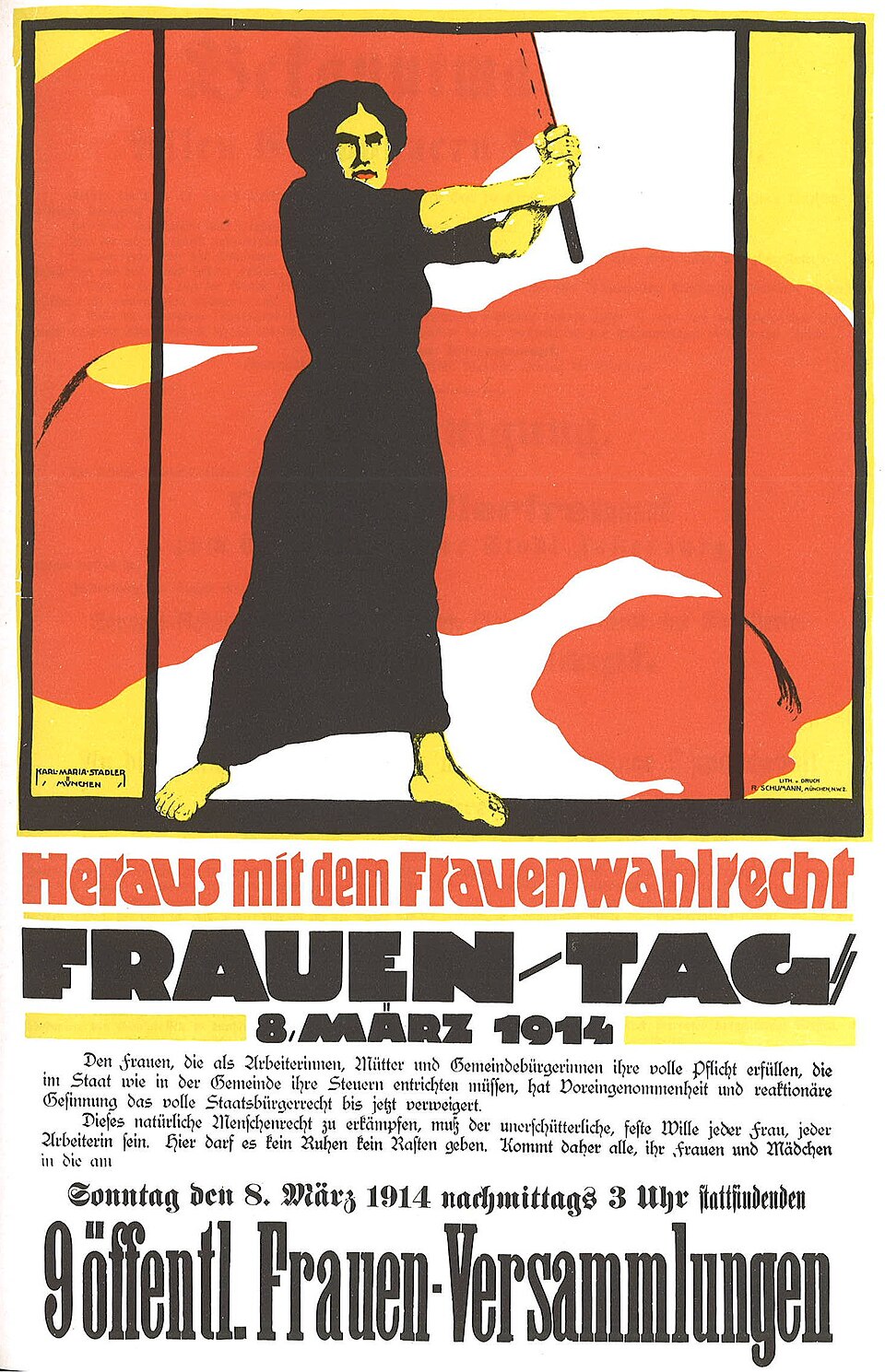
These events, coupled with growing calls for suffrage and improved living conditions, spurred international movements. The Socialist Party of America organized the first "National Woman's Day" in the United States in 1909. By 1911, countries such as Germany, Denmark, Switzerland, and Russia began commemorating "International Working Women's Day" on March 8th, recognizing the critical role of women in the workforce and their fight for dignity. For a deeper dive into these pivotal moments, explore
Why March 8th? Uncover the History of International Women's Day.
From Grassroots to Global: The United Nations and Official Recognition
While the concept of a day dedicated to women's rights gained momentum in various nations during the early 20th century, it wasn't until much later that it achieved universal, official recognition. The global shift occurred in
1975 when the United Nations formally adopted March 8th as International Women's Day. Further solidifying its status, in
1977, the UN General Assembly invited member states to proclaim March 8th as a UN Day for women's rights and world peace. This pivotal moment transformed a series of national commemorations into a unified, global platform for advocating for women's rights and gender equality.
The UN's endorsement underscored the understanding that women's rights are human rights and that achieving global peace and sustainable development is intrinsically linked to empowering women. It provided a framework for countries worldwide to acknowledge the persistent gender inequalities and commit to collective action. From that point on, regardless of whether someone queries "
Cuando Es El Dia De La Mujer?" in Spanish or "When is Women's Day?" in English, the date signifies a universal commitment to the cause. The evolution from localized protests to global recognition is a compelling narrative, further explored in
From Protests to Global Recognition: The History of Women's Day.
Beyond the formal recognition, symbols like "Rosie the Riveter," though originating during World War II, became enduring emblems of women's strength and capability, transcending national boundaries and continuing to inspire generations.
Beyond the Bouquets: The Enduring Purpose of International Women's Day
It's crucial to understand that
March 8th is not a commercial holiday designed for gift-giving or superficial celebration. Its true meaning runs far deeper, serving as a powerful annual reminder and a call to action. It's a day for:
- Historical Memory: Reflecting on the sacrifices and struggles of women who paved the way for the rights enjoyed today.
- Visibility of Inequality: Highlighting ongoing disparities, such as the persistent gender pay gap, gender-based violence, and discrimination in various spheres—from politics and business to education and healthcare.
- Advocacy and Action: Mobilizing individuals, communities, and governments to demand and implement policies that accelerate gender equality. In many countries, including Costa Rica, March 8th is marked by organized marches and public demonstrations to denounce these injustices.
- Global Solidarity: Uniting women and allies across continents, cultures, and socio-economic backgrounds to share experiences and collectively push for change.
Each year, UN Women designates a specific theme to guide the commemoration, focusing global attention on a critical aspect of women's rights. For example, in 2024, the campaign emphasized the vital need to "Invest in women: Accelerate progress," highlighting the importance of funding women's rights and equitable policies to speed up the journey towards full equality. The color purple has also become a prominent symbol, representing justice and dignity within the feminist movement.
Taking Action: How to Honor International Women's Day Every Day
While March 8th offers a unique opportunity for global reflection and collective action, the true spirit of International Women's Day lies in the continuous commitment to gender equality throughout the year. Here are practical ways you can contribute to its enduring purpose:
1. Educate Yourself and Others
Understanding the historical context and the ongoing challenges is the first step.
- Read and Research: Delve into the history of women's suffrage, labor movements, and contemporary feminist thought.
- Share Knowledge: Engage in conversations, share informative articles, and challenge misconceptions about women's rights with friends, family, and colleagues.
- Support Media: Follow journalists, academics, and organizations focused on gender equality.
2. Challenge Gender Bias and Stereotypes
Microaggressions and ingrained biases often perpetuate inequality.
- Speak Up: Intervene when you witness sexist remarks, jokes, or discriminatory behavior.
- Examine Your Own Biases: Reflect on your own assumptions about gender roles and challenge them.
- Promote Inclusive Language: Use gender-neutral language and advocate for it in your workplace and community.
3. Support Women-Owned Businesses and Organizations
Economic empowerment is a cornerstone of gender equality.
- Shop Locally: Prioritize businesses founded or led by women.
- Donate and Volunteer: Contribute to organizations that actively work to advance women's rights, combat gender-based violence, or provide educational and economic opportunities for women.
4. Advocate for Policy Change
Systemic change requires sustained pressure on leaders and policymakers.
- Contact Representatives: Express your support for legislation that promotes equal pay, parental leave, reproductive rights, and protections against violence.
- Participate in Movements: Join peaceful demonstrations, sign petitions, and support campaigns working towards legislative reforms.
- Vote: Elect leaders who prioritize gender equality and actively work to dismantle systemic barriers.
5. Celebrate Women's Achievements and Contributions
Acknowledge and amplify the successes of women in all fields.
- Mentor and Be Mentored: Support women in your professional and personal networks to achieve their goals.
- Share Stories: Highlight the achievements of women around you and historical figures who have made significant impacts.
- Foster Inclusivity: Actively work to create environments where women's voices are heard, valued, and respected.
Conclusion
Whether you're asking "
Cuando Es El Dia De La Mujer?" or seeking to understand its global significance, March 8th is more than just a date on the calendar. It's a powerful and solemn reminder of the monumental struggles for gender equality, etched in history by the resilience and courage of countless women. From the harrowing factory fires of the early 20th century to the global recognition by the United Nations, its evolution underscores a universal commitment to justice. Far from being a mere celebration, International Women's Day is a vital day for reflection, education, and renewed commitment to dismantling the remaining barriers to full equality. By actively engaging with its meaning and taking consistent action, we can all contribute to a world where gender parity is not just an aspiration, but a lived reality for all.